
In many cities, the night sky has almost disappeared. Streetlights, buildings, traffic, billboards, and glowing windows wash out the stars before our eyes can adjust. For many people, the Milky Way is no longer something they see naturally. It is something they search for in photos.
But there are still places on Earth where the sky becomes deep, black, and full of detail. In these regions, planets shine brightly, constellations are easy to follow, and the Milky Way can stretch across the sky like a glowing river. Some of these places are deserts, some are islands, some are mountain regions, and some are protected dark-sky reserves.
DarkSky International certifies parks, reserves, sanctuaries, and communities that protect natural darkness through responsible lighting and public education. These certified areas are among the best starting points for anyone who wants a serious stargazing experience.
What Makes a Place Great for Stargazing?
A good stargazing location is not only about being far from cities. The clearest views usually come from a mix of low light pollution, dry air, high elevation, open horizons, and stable weather. The Moon also matters. Even the darkest desert will not show the Milky Way clearly during a bright full moon.
The best plan is to visit during a new moon, check the weather forecast, avoid white flashlights, and give your eyes at least 20 minutes to adjust to the darkness.
10 Dark-Sky Regions for Clear Views of Stars, Planets, and the Milky Way
1. Atacama Desert, Chile
The Atacama Desert is one of the most respected astronomy regions in the world. Its dry climate, high altitude, and remote landscape make it ideal for observing the universe. ESO describes Paranal Observatory, located 2,635 meters above sea level in the Atacama, as one of the best astronomical observing sites on Earth.
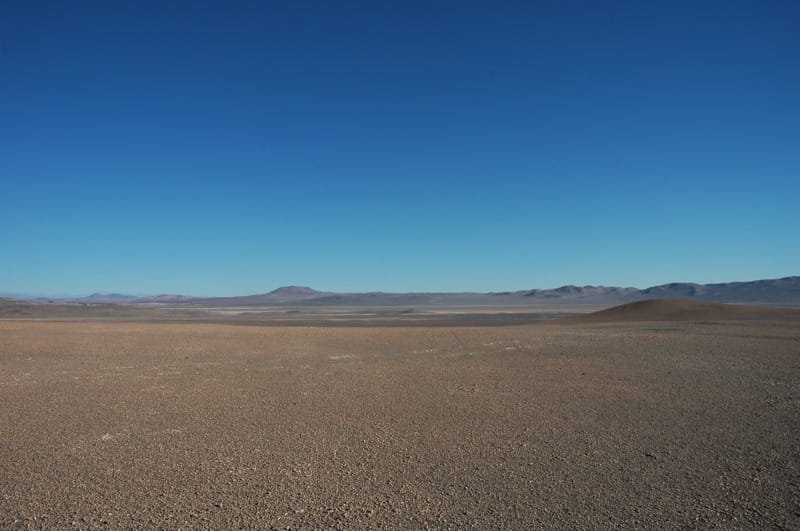
For travelers, the Atacama offers wide desert views, clear horizons, and nights that can feel almost unreal. Planets such as Jupiter, Saturn, Mars, and Venus can appear extremely bright here. The Milky Way is especially beautiful during the right season in the Southern Hemisphere.
2. NamibRand Nature Reserve, Namibia
NamibRand Nature Reserve is one of Africa’s great dark-sky treasures. DarkSky International describes it as one of the naturally darkest yet accessible places on Earth.
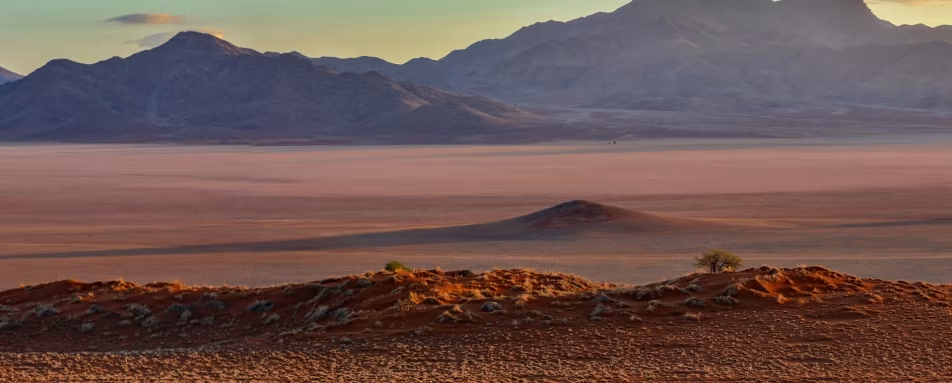
The reserve sits in the southwest Namib Desert, where dry air and low population density help protect the night sky. On a clear, moonless night, the stars appear sharp and deep. Visitors can combine stargazing with desert landscapes, wildlife viewing, and quiet overnight stays far from city lights.
3. Aoraki Mackenzie International Dark Sky Reserve, New Zealand
Aoraki Mackenzie International Dark Sky Reserve covers Aoraki/Mount Cook National Park and the Mackenzie Basin on New Zealand’s South Island. DarkSky International notes that lighting controls in the area began in the early 1980s, helping reduce light pollution and support the nearby Mt. John Observatory.
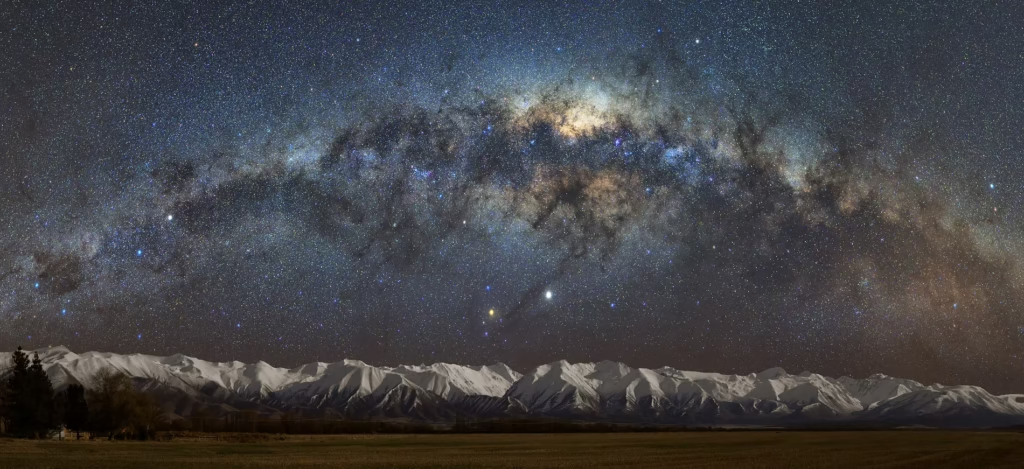
This is one of the best places to see southern-sky objects, including the Southern Cross, Magellanic Clouds, and the bright core of the Milky Way. The combination of mountains, lakes, and dark skies also makes it a favorite destination for astrophotography.
4. Aotea Great Barrier Island, New Zealand
Aotea Great Barrier Island lies northeast of Auckland, but it feels far removed from urban life. DarkSky International recognizes it as a Dark Sky Sanctuary, a category reserved for especially dark and fragile night environments.
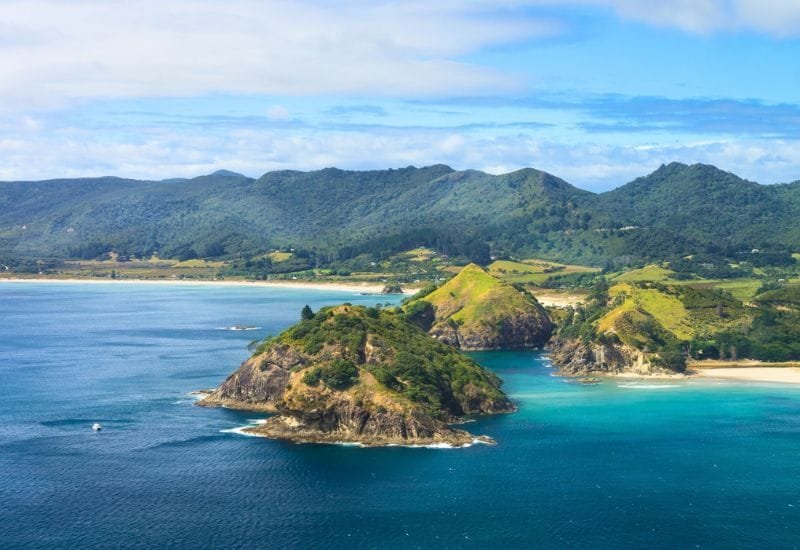
The island’s limited development and remote setting help preserve its natural darkness. It is a strong choice for travelers who want stargazing with a peaceful island atmosphere. Because it is surrounded by ocean, weather can change quickly, so staying more than one night improves your chances of a clear sky.
5. Death Valley National Park, United States
Death Valley is famous for heat, salt flats, and dramatic desert landscapes, but it is also one of the best stargazing destinations in the United States. The National Park Service says Death Valley has a Gold Tier Dark Sky Park designation, the highest darkness rating from DarkSky International.
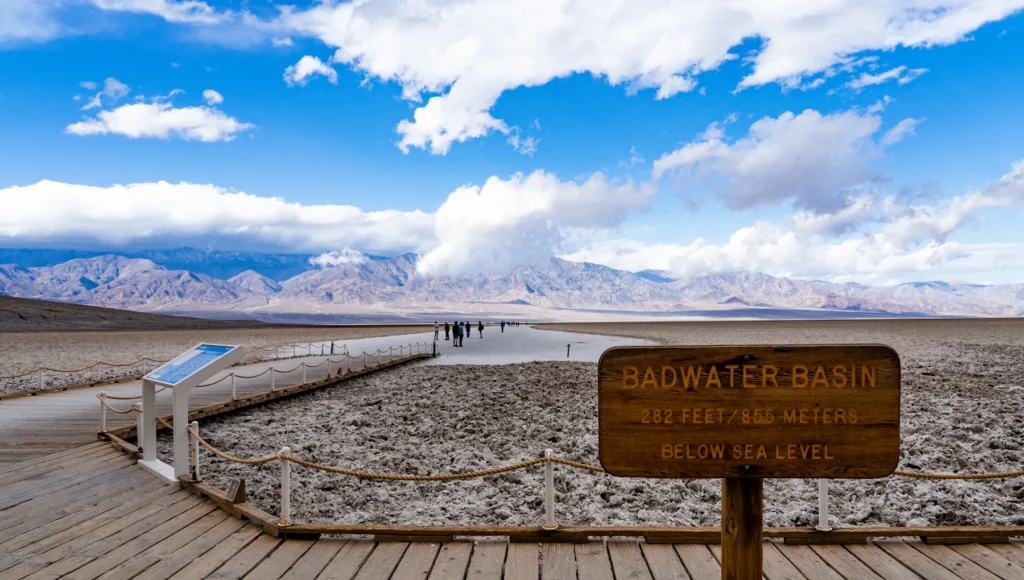
Because the park is far from major city lights, many areas offer excellent views of stars, planets, and distant galaxies. Winter and early spring are often more comfortable for visitors, especially because summer temperatures can be extreme.
6. Natural Bridges National Monument, United States
Natural Bridges National Monument in Utah has a special place in dark-sky history. It became the world’s first International Dark Sky Park, and the National Park Service has described it as one of the darkest national parks in the country.
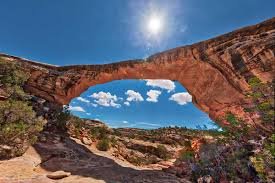
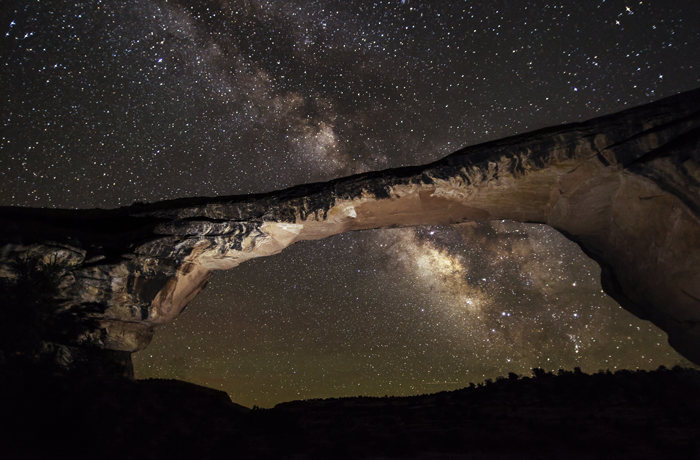
The rock formations create beautiful foregrounds for night photography. For casual sky watchers, it is also a powerful reminder of how different the sky can look when artificial lighting is carefully controlled.
7. Cosmic Campground, New Mexico, United States
Cosmic Campground International Dark Sky Sanctuary is located in New Mexico’s Gila National Forest. The U.S. Forest Service describes it as the first International Dark Sky Sanctuary on National Forest System lands and in North America.
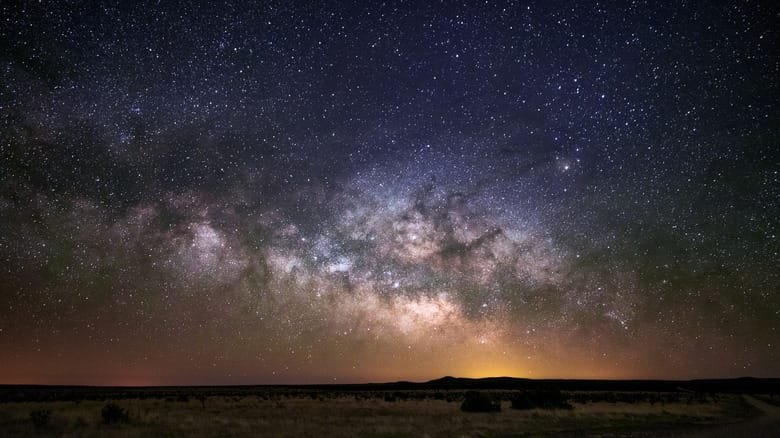
This place is designed for people who truly want darkness. It is remote, simple, and focused on the sky. Visitors should prepare carefully with water, warm clothing, maps, and proper camping supplies. The reward is a quiet, open sky where the Milky Way can be seen with impressive clarity.
8. Oregon Outback International Dark Sky Sanctuary, United States
The Oregon Outback has become one of the most important dark-sky regions in North America. DarkSky International announced that the sanctuary’s first phase made it the largest International Dark Sky Sanctuary, with plans for the complete protected area to cover more than 11.4 million acres.
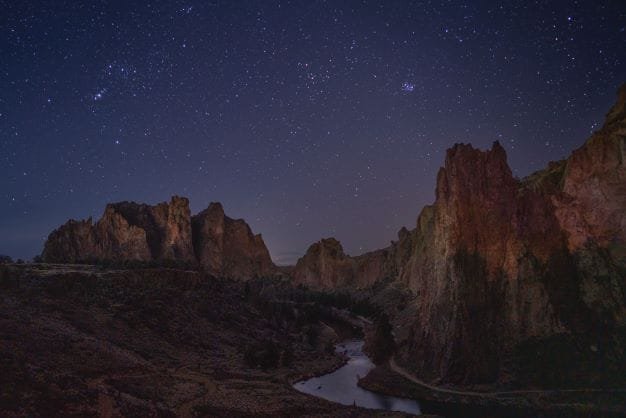
This region is ideal for people who enjoy wide-open landscapes and low crowds. Its remoteness is part of its value. Travelers should plan fuel, lodging, and route details in advance because services can be limited.
9. Greater Big Bend International Dark Sky Reserve, United States and Mexico
The Greater Big Bend International Dark Sky Reserve spans a huge area across Texas and northern Mexico. Its official reserve website describes it as covering more than 15,000 square miles and calls it the largest Dark Sky Certified place in the world.
This region is excellent for stargazing because of its dry climate, open desert views, and distance from large cities. Big Bend is especially good for seeing the Milky Way in late spring and summer, when the galactic core rises high enough to create a dramatic view.
10. Kerry International Dark Sky Reserve, Ireland
Kerry International Dark Sky Reserve sits on Ireland’s Iveragh Peninsula along the Wild Atlantic Way. DarkSky International says the reserve covers about 700 square kilometers and benefits from its location between the Kerry Mountains and the Atlantic Ocean, which helps protect it from light pollution.
Kerry is different from desert dark-sky destinations because weather can be more unpredictable. But on a clear night, the combination of Atlantic scenery, dark rural skies, and cultural heritage makes it a memorable place to watch stars and planets.
Practical Tips for Better Stargazing
Choose the Right Moon Phase
For the clearest Milky Way views, plan your trip around the new moon. A bright moon can hide faint stars and reduce contrast in the sky.
Let Your Eyes Adjust
Avoid phone screens and white flashlights. Use a red-light torch if needed. Your eyes need time to become sensitive to faint starlight.
Check the Season
The Milky Way’s bright core is not visible in the same way all year. Southern Hemisphere locations often offer spectacular views from roughly autumn through spring, while Northern Hemisphere summer is excellent for Milky Way photography.
Bring Warm Clothing
Even deserts can become cold at night. High-altitude locations can feel especially chilly after sunset.
Respect Dark-Sky Rules
Use low, shielded lighting, keep car headlights off when parked, and avoid shining lights toward other visitors. Dark-sky travel works only when people help protect the darkness.
Key Takeaways
The clearest night skies usually come from places with low light pollution, dry air, high elevation, and protected lighting rules.
Atacama, NamibRand, Aoraki Mackenzie, Death Valley, Natural Bridges, Cosmic Campground, Oregon Outback, Greater Big Bend, Aotea Great Barrier Island, and Kerry are among the world’s outstanding stargazing regions.
A new moon, clear weather, and patience are just as important as the destination.
Dark-sky tourism supports astronomy, nature conservation, and local communities when done responsibly.
Conclusion
The darkest regions on Earth remind us that the night sky is not empty. It is full of planets, stars, galaxies, nebulae, and ancient light traveling across space. In a truly dark place, the Milky Way is not a faint blur. It becomes a living part of the landscape.
Whether you choose the dry silence of the Atacama, the desert beauty of Namibia, the mountain skies of New Zealand, or the wild openness of Big Bend, each destination offers something special. The best experience comes when you slow down, let your eyes adjust, and simply look up.
Dark skies are not only beautiful. They are worth protecting. Every responsible traveler helps keep these rare windows to the universe open for future generations.