
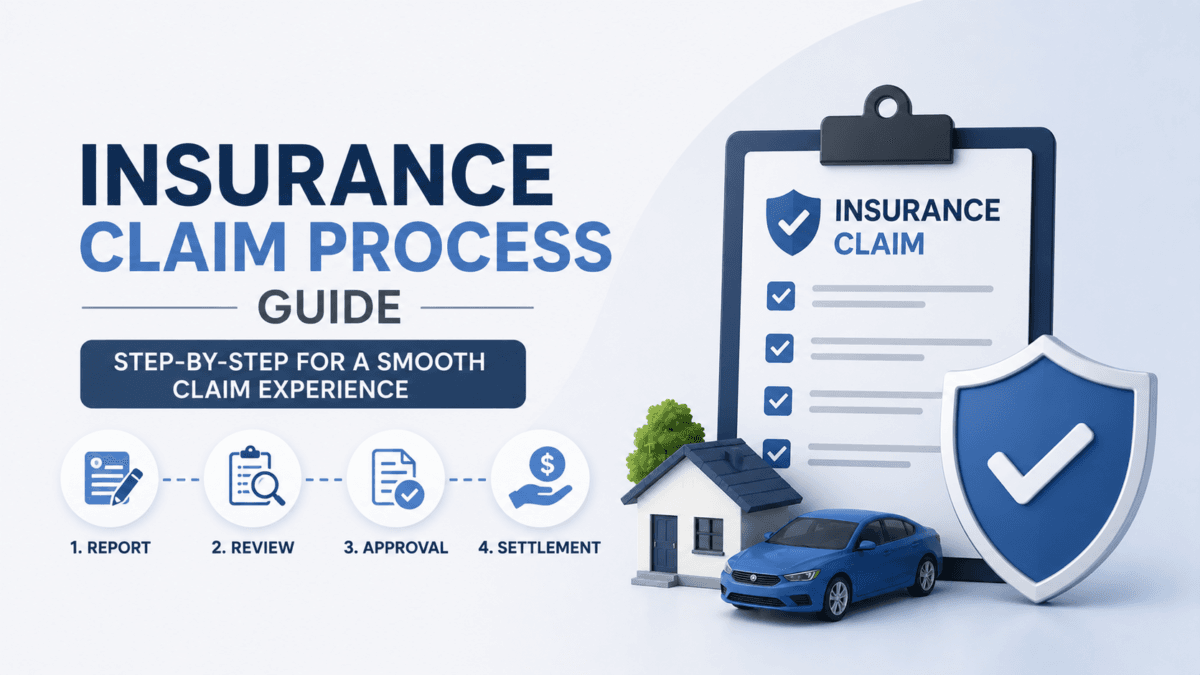
Insurance provides financial protection against unexpected events, but the true value of an insurance policy is often realized when a claim is filed. Whether it involves a car accident, medical emergency, property damage, or another covered event, understanding the insurance claim process can help policyholders navigate the situation with confidence.
Many people find the claims process confusing because it involves documentation, communication with the insurer, and policy-specific requirements. However, knowing the basic steps can make the experience smoother and reduce the chances of delays or disputes. This guide explains the insurance claim process, common challenges, and practical tips for achieving a successful claim outcome.
What Is an Insurance Claim?
An insurance claim is a formal request made by a policyholder to an insurance company for compensation or benefits after a covered loss or event occurs.
Once a claim is submitted, the insurer reviews the information, verifies coverage, and determines whether payment or benefits should be provided according to the terms of the policy.
Why the Claims Process Is Important
The claims process ensures that policyholders receive the financial support they are entitled to under their insurance policies. Following the correct procedures helps insurers evaluate losses accurately and process claims efficiently.
Understanding the process can also help policyholders avoid common mistakes that may result in delays or claim denials.
Step-by-Step Insurance Claim Process
Step 1: Assess the Situation and Ensure Safety
After an incident occurs, the first priority should always be safety.
For example:
Seek medical attention if injuries are involved.
Prevent further property damage if possible.
Contact emergency services when necessary.
Taking immediate action can help protect people and minimize additional losses.
Step 2: Notify the Insurance Company
Most insurance policies require prompt notification of a covered event.
When contacting the insurer, be prepared to provide:
Policy information
Date and time of the incident
Description of what happened
Details of any damages or injuries
Early reporting often helps speed up the claims process.
Step 3: Gather Supporting Documentation
Documentation plays a critical role in claim evaluation.
Important records may include:
Photos of damages
Medical reports
Repair estimates
Receipts and invoices
Police or incident reports
Witness statements when applicable
Accurate documentation helps support the validity of the claim.
Step 4: Complete Claim Forms
The insurance company may require specific claim forms to be completed.
Ensure that all information is accurate and complete. Missing or incorrect details can lead to processing delays.
Step 5: Claim Review and Investigation
After receiving the claim, the insurer reviews the submitted information and may conduct an investigation.
This process can involve:
Verifying policy coverage
Assessing damages
Reviewing supporting documents
Speaking with involved parties
The purpose is to determine whether the claim qualifies for benefits under the policy terms.
Step 6: Claim Decision and Settlement
Once the review is complete, the insurer makes a decision.
Possible outcomes include:
Full approval
Partial approval
Request for additional information
Claim denial based on policy terms
If approved, the insurer issues payment or provides the covered benefits according to the policy.
Common Challenges During the Claims Process
Incomplete Documentation
Missing paperwork is one of the most common reasons for claim delays.
Delayed Reporting
Waiting too long to report an incident may complicate the investigation and affect the outcome.
Misunderstanding Policy Coverage
Some policyholders assume certain events are covered when they are excluded under the policy terms.
Practical Tips for a Successful Insurance Claim
Keep Detailed Records
Maintain copies of policy documents, receipts, photos, and claim-related communications.
Understand Your Policy
Review coverage limits, exclusions, and claim requirements before a loss occurs.
Respond Promptly
Provide requested information quickly to avoid unnecessary delays.
Maintain Honest Communication
Accurate and truthful information helps ensure a smoother claims process.
Key Takeaways
An insurance claim is a request for compensation after a covered loss or event.
Prompt reporting and proper documentation are essential.
The claims process typically includes notification, documentation, investigation, and settlement.
Understanding policy coverage helps avoid misunderstandings.
Organized records and timely communication can improve claim outcomes.
Conclusion
The insurance claim process is a crucial part of receiving the financial protection promised by an insurance policy. While every claim is unique, understanding the basic steps can help policyholders navigate the process more effectively. By reporting incidents promptly, gathering accurate documentation, and maintaining clear communication with the insurer, individuals can improve their chances of a smooth and successful claim experience. A well-prepared approach not only reduces stress but also helps ensure that insurance coverage delivers the support needed during challenging situations.