Living with PMOS can make everyday eating feel confusing. One person says to avoid carbs completely, another recommends a strict diet plan, and someone else suggests skipping meals. In reality, a helpful PMOS diet does not need to be extreme. It should support steady blood sugar, reduce highly processed foods, improve fullness, and make meals easier to follow in daily life.
PMOS, also known as Polyendocrine Metabolic Ovarian Syndrome, is the newer term being used for the condition previously known as PCOS. It affects hormones, ovarian function, and metabolism, which is why food choices can play an important role in symptom management.
What Is a PMOS Diet?
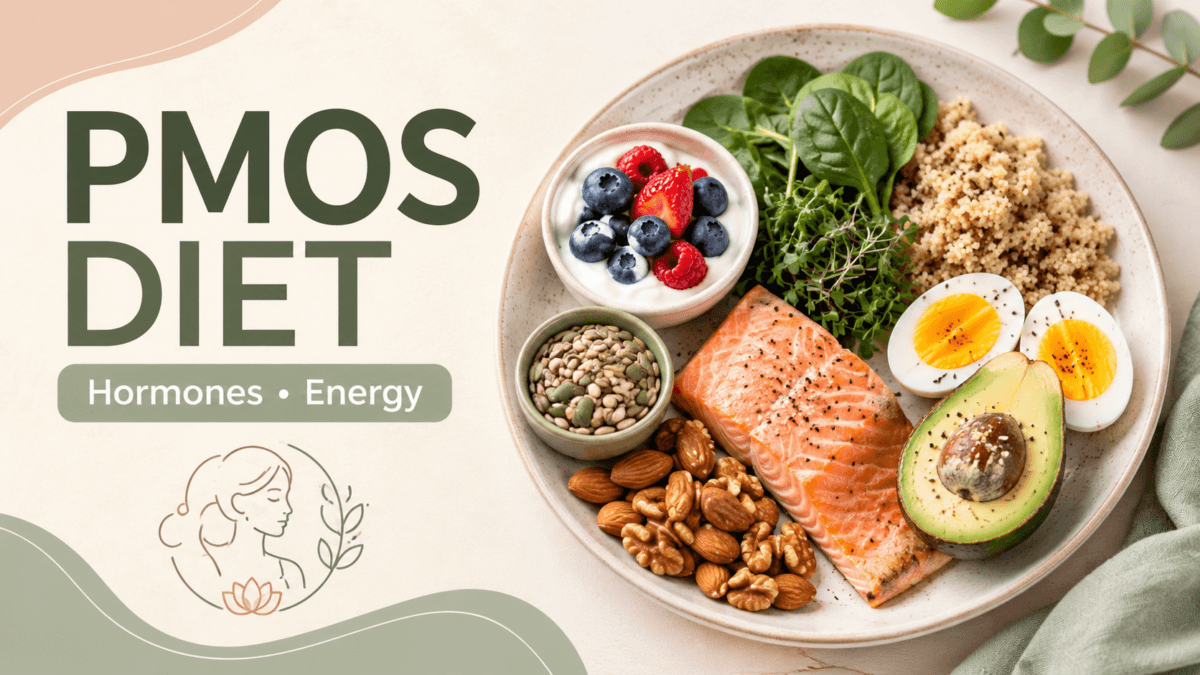
A PMOS diet is not a single fixed meal plan. It is a balanced way of eating that focuses on whole foods, fiber, protein, healthy fats, and slow-digesting carbohydrates.
Why Food Matters in PMOS
PMOS is often linked with insulin resistance, inflammation, weight changes, irregular periods, acne, and increased long-term metabolic risks. A supportive diet may help manage blood sugar, improve energy, and support a healthy weight when needed. The goal is not to “cure” PMOS with food. Instead, the aim is to make the body’s daily hormone and blood sugar management easier.
Best Foods to Include in a PMOS Diet
High-Fiber Carbohydrates
Carbohydrates are not automatically bad for PMOS. The better choice is to pick carbs that digest slowly and contain fiber.
Good options include oats, brown rice, quinoa, whole wheat roti, millets, beans, lentils, chickpeas, sweet potatoes, fruits, and vegetables. Low-GI and whole-grain foods may support better insulin control because they raise blood sugar more gradually.
Protein-Rich Foods
Protein helps reduce hunger and keeps meals satisfying. It also supports muscle health, which is important for metabolism. Healthy protein choices include eggs, fish, chicken, tofu, paneer in moderation, Greek yogurt, lentils, beans, sprouts, and lean meat. Try to include protein in every main meal instead of eating mostly rice, bread, or snacks alone.
Healthy Fats
Healthy fats can make meals more filling and support overall wellness. Choose nuts, seeds, avocado, olive oil, fatty fish, and small portions of natural nut butters. The key is portion control. Even healthy fats are calorie-dense, so a small handful of nuts or one spoon of seeds is usually enough.
Foods to Limit for Better PMOS Management
Sugary Foods and Drinks
Sweet drinks, packaged juices, cakes, biscuits, candies, and sugar-heavy desserts can cause quick blood sugar spikes. This may make cravings and energy crashes worse. You do not need to ban sweets forever. A realistic approach is to enjoy them occasionally and avoid making them part of your daily routine.
Highly Processed Foods
Chips, instant noodles, fried snacks, processed meats, and bakery foods are often low in fiber and high in refined carbs, salt, or unhealthy fats. These foods may make it harder to manage weight, appetite, and blood sugar. Cleveland Clinic notes that sugary and highly processed foods can work against nutrition goals in PMOS-friendly eating.
Practical PMOS Diet Tips
Build a Balanced Plate
A simple plate method works well. Fill half your plate with vegetables, one quarter with protein, and one quarter with slow-digesting carbs. Add a small amount of healthy fat for taste and fullness.
For example, you can eat grilled chicken with vegetables and brown rice, or dal with salad, curd, and millet roti.
Do Not Skip Breakfast If It Leads to Cravings
Some people feel fine with a later first meal, but others overeat later when they skip breakfast. A good breakfast could be eggs with vegetables, oats with nuts, Greek yogurt with fruit, or moong dal chilla.
Pair Carbs with Protein
Instead of eating plain bread, rice, or fruit alone, pair carbs with protein or fat. For example, eat fruit with yogurt, rice with dal, or roti with paneer and vegetables.
Key Takeaways
A PMOS diet should be balanced, not extreme.
Low-GI carbohydrates, protein, vegetables, and healthy fats can support better blood sugar control.
Sugary drinks, refined carbs, and highly processed foods are better limited.
Weight loss may help some people with PMOS, but not everyone with PMOS needs weight loss.
A doctor or registered dietitian can help personalize the diet based on symptoms, weight, blood tests, and lifestyle.
Conclusion
The best PMOS diet is one you can follow consistently without feeling punished by food. Instead of chasing strict rules, focus on simple habits: eat more fiber, include protein at each meal, choose slow-digesting carbs, reduce sugary foods, and stay active. These small daily choices can support better energy, healthier metabolism, and improved long-term wellness.
PMOS management is not only about diet, and food should never replace medical care. But when your meals are balanced, practical, and enjoyable, they can become a powerful part of your overall health plan.