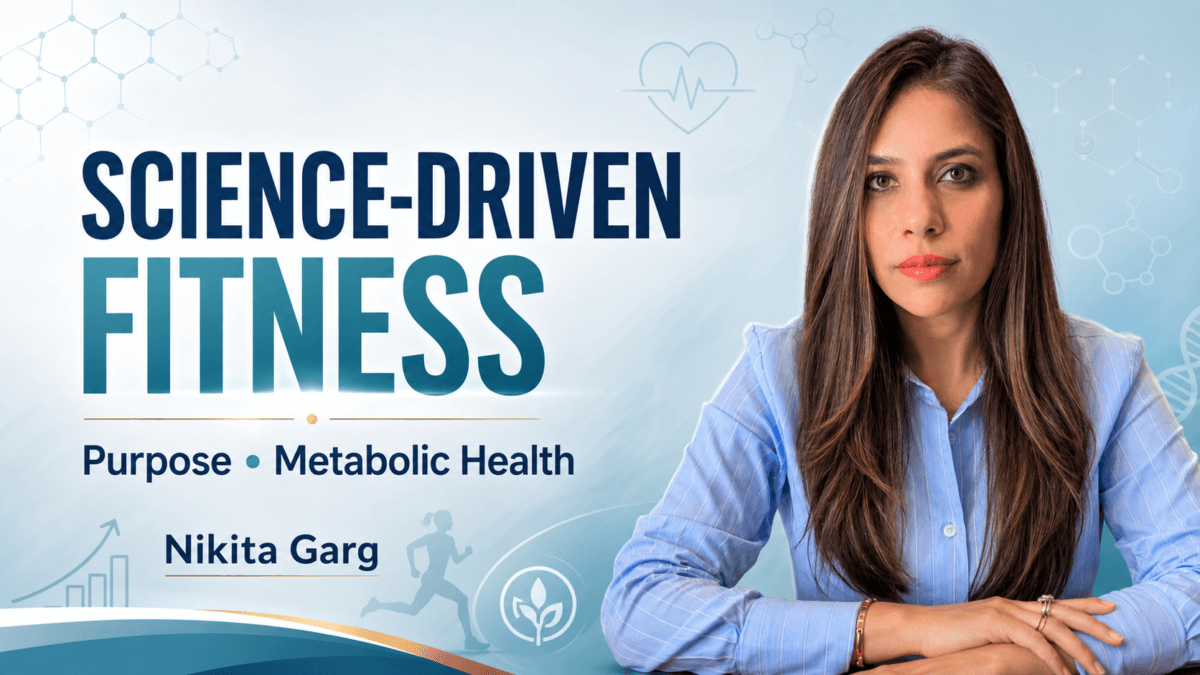
Fitness is no longer only about looking slim or following a short-term diet. Today, people want better energy, balanced hormones, improved strength, and long-term health. This is where science-led wellness is becoming important. Nikita Garg, described in a recent SugerMint feature as a celebrity nutritionist and founder of Entech Wellness, represents this shift toward practical, evidence-aware fitness and metabolic health.
Her journey also offers an important business lesson: when purpose meets professional knowledge, wellness can become more than a service. It can become a trusted brand.
Main Content
The Business Value of Science-Led Fitness
The health and fitness industry is full of quick promises. Many people try crash diets, extreme workouts, or random supplements without understanding their body’s real needs. A science-led approach is different. It focuses on body composition, metabolism, lifestyle, food habits, sleep, stress, and long-term consistency.
For entrepreneurs in the wellness space, this creates a strong opportunity. Customers are becoming more informed. They do not want generic advice. They want guidance that feels personal, practical, and safe.
Why Metabolic Health Matters
Metabolic health refers to how well the body manages energy, blood sugar, fat storage, digestion, and overall internal balance. Poor metabolic health can affect energy levels, weight management, mood, and daily productivity.
For working professionals, founders, homemakers, and students, this matters deeply. A person with low energy and poor routine may struggle to perform well even if they are talented. Better nutrition and fitness habits can improve focus, confidence, and quality of life.
Entrepreneurship with a Purpose
Nikita Garg’s work highlights a growing trend in India’s wellness industry: founders are building businesses around trust, education, and transformation instead of only selling products. This is a healthier model for both customers and entrepreneurs.
Solving Real Problems
A strong wellness business does not begin with a fancy brand name. It begins with a real problem. Many people are confused about food, weight loss, hormones, gut health, and exercise. They need simple explanations and practical plans.
An entrepreneur who can simplify health information without misleading people can build long-term credibility. This is especially important in fitness, where wrong advice can harm customers.
Building Trust Through Results
In wellness, trust is everything. People may try a service once because of marketing, but they stay only when they feel understood and supported. Sustainable results, honest communication, and realistic expectations help build loyalty.
For example, instead of promising fast weight loss, a responsible wellness brand may focus on better eating habits, regular movement, improved sleep, and gradual progress. This approach may look slower, but it is more reliable.
Practical Tips
Personalize Health Plans
No single diet works for everyone. Age, work schedule, medical history, food preference, activity level, and stress must be considered before giving fitness advice.
Educate Customers
Good wellness businesses do not only give plans. They teach customers why those plans matter. Education improves discipline and reduces dependence.
Avoid Extreme Claims
Entrepreneurs should avoid unrealistic promises. Claims like “lose weight instantly” or “reverse everything naturally” can damage trust and may mislead people.
Combine Technology with Human Support
Apps, trackers, online consultations, and digital reports can improve service delivery. However, emotional support and expert guidance are still essential.
Key Takeaways
Science-led fitness is more sustainable than trend-based dieting.
Metabolic health affects energy, productivity, and long-term well-being.
Wellness entrepreneurship should be built on trust, education, and responsibility.
Personalized guidance creates better customer experiences.
Purpose-driven brands can stand out in a crowded fitness market.
Conclusion
Nikita Garg’s story reflects the future of modern wellness entrepreneurship. Fitness is no longer just about appearance; it is about health, confidence, and daily performance. Entrepreneurs who understand this shift can build meaningful businesses that genuinely help people.
The real lesson is simple. A wellness brand grows stronger when it is driven by science and powered by purpose. When entrepreneurs combine knowledge, honesty, and customer care, they do more than build a business. They help people build healthier lives.