
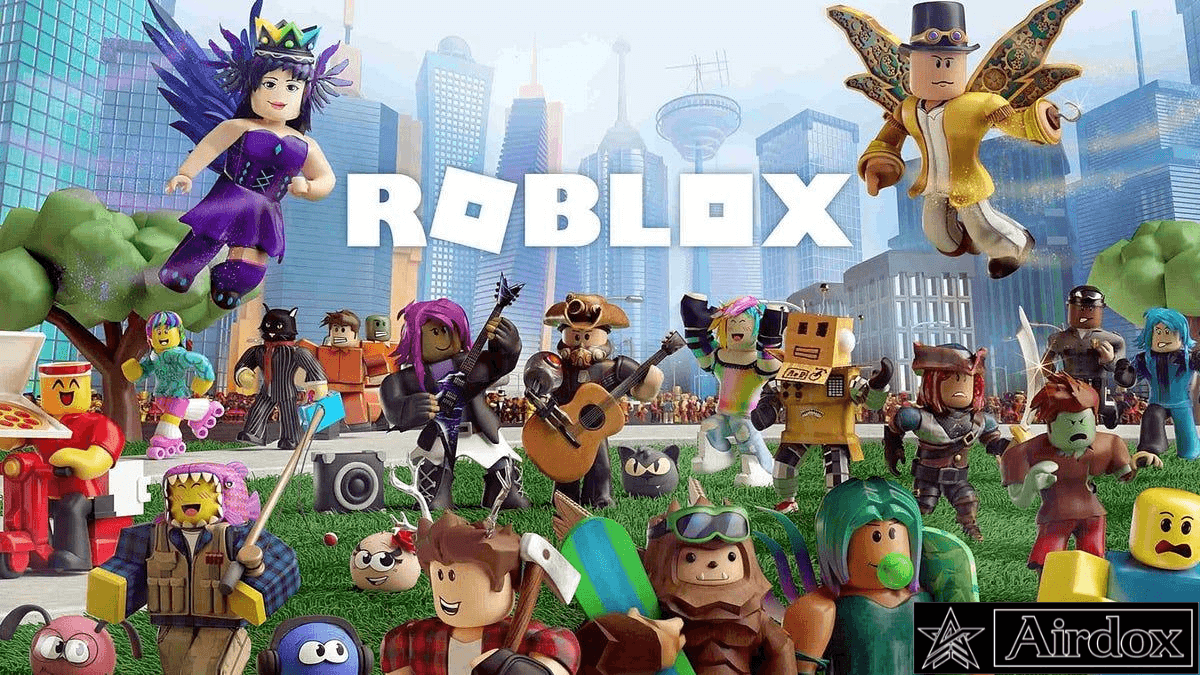
In a world where the line between gaming and social interaction is becoming increasingly blurred, Roblox has quietly grown into one of the most influential digital ecosystems of our time. What started as a simple platform for user-created games has evolved into a vast virtual universe where millions of people don’t just play—they create, learn, connect, and even build careers.
At its core, Roblox is not a single game. It is a platform that allows users to design and share their own experiences using a tool called Roblox Studio. This unique approach has turned players into creators. Anyone, from a young student to an experienced developer, can build interactive worlds, games, and simulations. These creations are then shared with a global audience, making Roblox a living, constantly evolving digital space.
One of the most fascinating aspects of Roblox is its community-driven nature. Unlike traditional games that are developed by a single company, Roblox thrives on user-generated content. Millions of games—ranging from obstacle courses to role-playing adventures—are created by users themselves. This has created a sense of ownership and creativity among players, encouraging them to explore not just gameplay, but also design and innovation.
Roblox has also become a powerful social platform. Players can interact with friends, join communities, and participate in virtual events. For many young users, it is not just a place to play games, but a space to hang out, communicate, and express themselves through customizable avatars and virtual experiences. This social element has played a key role in its global popularity.
Beyond entertainment, Roblox has opened doors to real-world opportunities. Developers on the platform can earn money through their creations using the in-game currency, Robux. Some creators have turned their passion into full-time careers, building successful games that attract millions of players. This has made Roblox not just a gaming platform, but also a creative economy.
Education is another area where Roblox is making an impact. By introducing users to basic coding, game design, and problem-solving, it helps young minds develop valuable skills in a fun and engaging way. Many educators and parents see it as a stepping stone into the world of technology and digital creativity.
However, like any large online platform, Roblox also faces challenges. Concerns around user safety, content moderation, and screen time are often discussed. The company has taken steps to improve safety features and provide parental controls, but the responsibility is shared between the platform, parents, and users.
Globally, Roblox reflects a larger shift in how people interact with digital spaces. It represents the idea of the “metaverse,” where virtual environments become extensions of real life. As technology continues to evolve, platforms like Roblox are shaping how future generations will play, learn, and connect.
In the end, Roblox is more than just a website or a game—it is a creative universe powered by its users. It shows what is possible when technology meets imagination, and when people are given the tools to build something of their own. For millions around the world, Roblox is not just entertainment—it is a world where ideas come to life.