The Nicobar Islands are not like ordinary beach destinations. They are remote, sensitive, beautiful, and deeply connected to nature and indigenous communities. For many travellers, the name “Nicobar” brings images of untouched coastlines, rainforests, rare wildlife, lighthouses, quiet harbours, and islands that still feel far away from commercial tourism.
However, this is also a region where travel must be planned with care. Several areas in the Nicobar district are protected, ecologically fragile, or connected to tribal communities. The latest official Restricted Area Permit guidance says separate approvals are still required for reserved forests, wildlife sanctuaries, tribal reserves, defence areas, and other sensitive zones. Foreign nationals must also follow specific permit rules depending on nationality and destination.
So, this article is not a casual “pack and go” guide. It is a responsible travel overview of 19 important places in the Nicobar Islands, especially for readers who want to understand the geography, natural value, and travel importance of this rare island region.
Main Content
Great Nicobar Region: India’s Remote Southern Frontier
Great Nicobar is one of the most fascinating parts of the Nicobar district. It is known for rainforests, protected areas, coastal landmarks, and India’s southernmost point. Campbell Bay is the key base here. The official Andaman & Nicobar Tourism website describes Campbell Bay as the administrative headquarters of Great Nicobar Island and the entry point to the Great Nicobar Biosphere Reserve.
1. Indira Point
Indira Point is one of the most meaningful landmarks in India because it marks the southernmost point of the country. It is located on Great Nicobar Island and is known for its coastal setting and famous lighthouse.
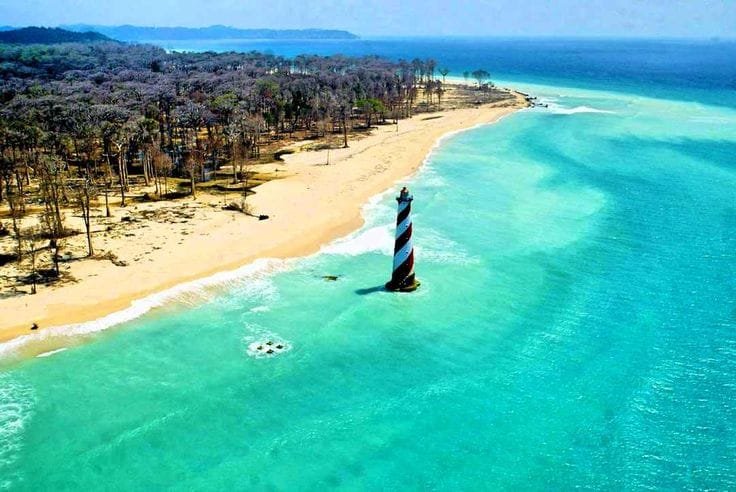
This place is not only important for travellers but also for geography lovers, students, and anyone interested in India’s extreme points. The feeling of standing close to the end of the Indian map is what makes Indira Point special. However, it is a restricted area, and visitors must check current permission rules before planning a trip. The official tourism page also notes that a visit to Indira Point requires permits.
2. Indira Point Lighthouse
The Indira Point Lighthouse is closely linked with the identity of this southern landmark. Lighthouses are not just tourist attractions; they play an important role in maritime navigation, especially around remote island chains.
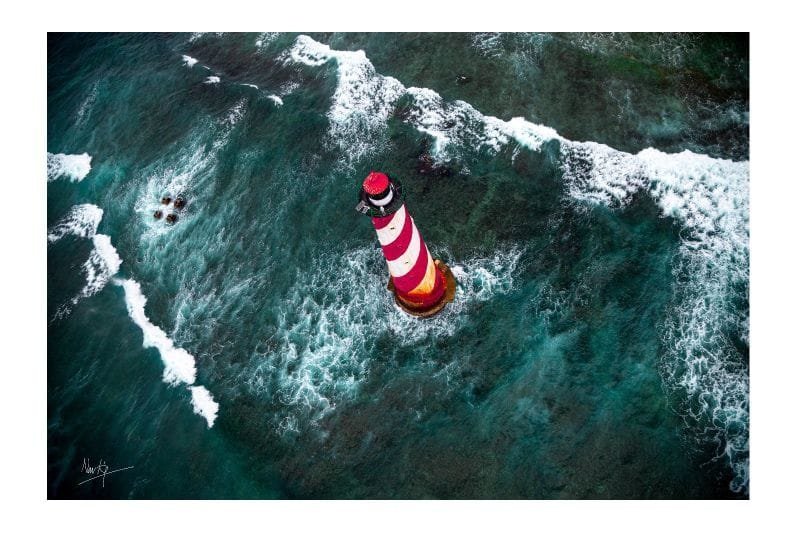
For visitors, the lighthouse represents isolation, ocean power, and India’s maritime presence. It is best viewed as a heritage and navigation landmark rather than a regular sightseeing spot. Access should be planned only through official guidance.
3. Galathea Bay
Galathea Bay is one of Great Nicobar’s most valuable coastal areas. It is known for its natural beauty and ecological importance. The official tourism site mentions Galathea Bay as a nesting ground for giant leatherback turtles.
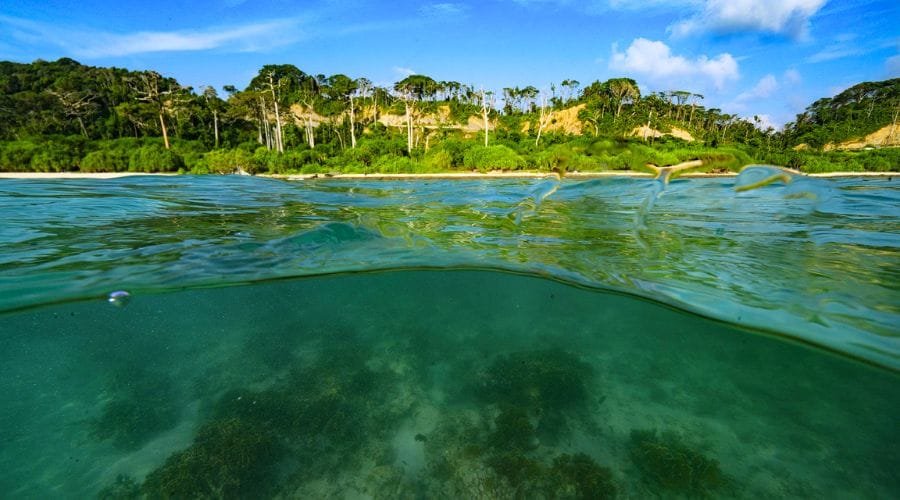
This makes the bay significant for wildlife lovers and conservation-minded travellers. Any visit here should be quiet, low-impact, and permission-based. Turtle nesting areas are extremely sensitive, so flash photography, loud behaviour, littering, or walking carelessly on nesting beaches can cause harm.
4. Galathea National Park
Galathea National Park is one of the most important protected natural areas in the Nicobar Islands. It forms part of the larger Great Nicobar ecosystem and is known for forests, coastal habitats, and rare wildlife.
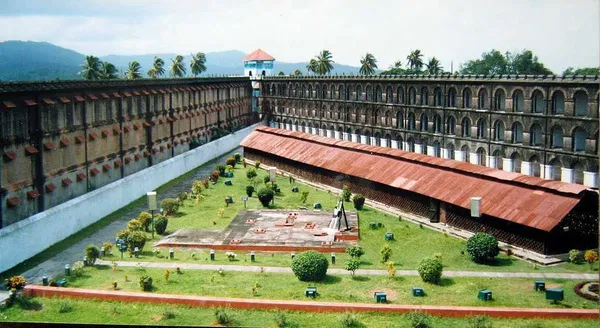
This is not a picnic-style attraction. It is a conservation zone where visitors need proper permission and guidance. For responsible travellers, the value of Galathea National Park lies in understanding biodiversity, not disturbing it.
5. Campbell Bay
Campbell Bay is the main settlement and practical base for exploring Great Nicobar. It is the gateway for travellers, officials, researchers, and nature enthusiasts visiting this remote region.
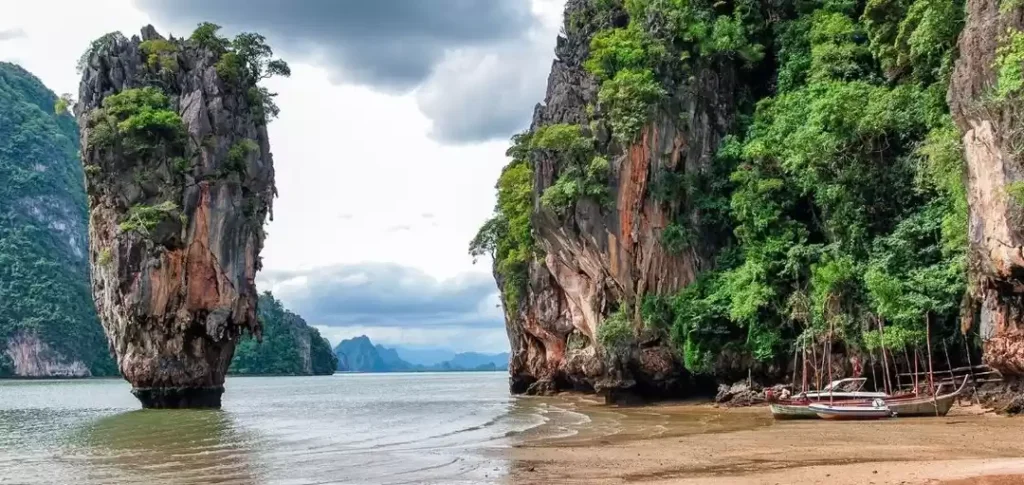
The journey itself is part of the experience. Official tourism information says Campbell Bay can be reached by ship from Sri Vijaya Puram, with voyages taking around three to four days, while helicopter service depends on availability. The same source also notes that heavy monsoons from June to September can make travel difficult.
6. Campbell Bay National Park
Campbell Bay National Park is one of Great Nicobar’s major natural treasures. The official tourism page describes it as part of the Great Nicobar Biosphere Reserve and mentions wildlife such as the Nicobar megapode, saltwater crocodiles, and giant leatherback turtles.
This park is suitable for travellers who value forests, birdwatching, nature trails, and quiet exploration. Still, every visit should be arranged with proper local permission because protected forests need careful management.
7. Great Nicobar Biosphere Reserve
The Great Nicobar Biosphere Reserve is one of the most important natural areas in the island chain. It protects forests, rivers, wildlife habitats, and coastal ecosystems.
For travellers, it offers a chance to understand how rich and fragile island biodiversity can be. Instead of treating it as a typical sightseeing stop, visitors should see it as a living natural system. Guided eco-exploration, birdwatching, and wildlife observation are more suitable than noisy tourism.
8. Mount Thullier
Mount Thullier is the highest peak in Great Nicobar and an important trekking landmark. It appeals to adventure-minded travellers who are interested in remote landscapes rather than luxury travel.
Because this is a forested and sensitive region, trekking should never be attempted casually. Weather, permissions, trail conditions, and local guidance matter. The best approach is to plan through official channels and avoid entering protected or tribal areas without approval.
9. Great Nicobar Island
Great Nicobar Island as a whole is a destination of forests, rivers, beaches, wildlife zones, and remote settlements. It is ideal for people who want to understand India’s island geography beyond the popular Andaman tourist circuit.
The island is not designed for fast tourism. Travel here requires time, patience, respect for restrictions, and acceptance of limited infrastructure. That is exactly what makes it different.
Lesser-Known Nicobar Islands and Coastal Landmarks
The Nicobar district includes many islands that are culturally and environmentally sensitive. Some are inhabited, some are protected, and some are not open for normal tourism. Readers should treat the following places as important travel knowledge, not as guaranteed open-access holiday spots.
10. Little Nicobar Island
Little Nicobar Island is a protected tribal region and should be approached with great caution. It is not a mainstream tourist destination.
Its importance lies in its natural environment and cultural sensitivity. Travellers should not attempt independent visits without clear permission. Respecting local communities and legal boundaries is more important than adding another place to a travel list.
11. Kondul Island
Kondul Island is a small coastal landmark in the Nicobar group. It is known more for its remote island character than for developed tourism.
For responsible travel writing, places like Kondul remind readers that not every beautiful island should become a crowded tourist spot. Some places are valuable because they remain quiet, protected, and low-impact.
12. Pulo Milo Island
Pulo Milo Island is another lesser-known coastal island in the Nicobar district. It represents the scattered beauty of this island chain, where sea routes, local life, and natural surroundings shape the travel experience.
Access may be limited, so travellers should always verify permissions, transport availability, and local rules before planning.
13. Katchal Island
Katchal Island is part of the Nicobar district and has cultural as well as natural value. It is connected with local communities and island life rather than mass tourism.
The Nicobar district has several tribal councils, including Katchal, Nancowry, Kamorta, Teressa, Chowra, Car Nicobar, and Pilobhabi, according to the official district website. This shows how important community structures are in the region.
14. Nancowry Island
Nancowry Island is known as part of the central Nicobar group. It has a strong maritime character, with sheltered waters and island settlements.
For travellers, Nancowry is interesting because it shows the harbour-based life of the Nicobar Islands. But again, tourism here is not like visiting a regular beach town. Local permissions and respectful conduct are essential.
15. Nancowry Harbour
Nancowry Harbour is one of the scenic and practical coastal areas of the Nicobar Islands. A harbour in such a remote region is more than a view; it is part of transport, trade, administration, and daily island connectivity.
This place is valuable for understanding how remote island communities stay connected. Travellers interested in geography and coastal life may find it especially meaningful.
16. Kamorta Island
Kamorta Island is a cultural-natural region in the Nicobar district. It is one of the islands associated with local communities and administrative importance.
The attraction of Kamorta lies in its calm island setting, coastal views, and cultural context. Visitors should be careful not to treat local life as a tourist display. Responsible travel means observing respectfully, asking permission, and following official guidance.
17. Trinket Island
Trinket Island is another coastal landmark in the Nicobar chain. It is known for its island environment and remote setting.
Because of the sensitive nature of many Nicobar islands, Trinket is better understood as part of the wider island geography than as an easy holiday destination. It highlights the untouched character of the region.
18. Teressa Island
Teressa Island has both natural and cultural importance. Like many Nicobar islands, it is shaped by coastal life, local communities, and limited outside access.
Travellers writing or learning about Teressa should focus on respectful awareness. It is not a place for careless exploration. Any visit must follow legal and community rules.
19. Chowra Island
Chowra Island is a cultural-natural landmark in the Nicobar district. It is one of the islands that reflects the identity of the Nicobar group beyond beaches and forests.
Its value lies in its people, traditions, coastal setting, and place within the wider island network. For responsible travellers, Chowra is a reminder that destinations are not just landscapes; they are living communities.
Practical Tips for Visiting or Learning About the Nicobar Islands
Check Permissions First
Before planning any Nicobar trip, contact official tourism or administration sources. Do not rely only on blogs, old videos, or social media posts. Rules can change, and some areas need separate approvals.
Avoid Tribal and Protected Areas Without Approval
Never enter tribal reserves, forest areas, defence zones, or restricted islands without permission. The current RAP guidance clearly states that separate approvals are required for tribal reserves, reserved forests, wildlife sanctuaries, and sensitive establishments.
Choose the Right Season
For Great Nicobar, the official tourism page suggests February to May and October to December as relatively dry months, while June to September can bring difficult monsoon travel.
Travel Slowly and Responsibly
The Nicobar Islands are not suitable for rushed sightseeing. Transport can be limited, weather can interrupt plans, and permissions may take time. A flexible plan is better than a packed itinerary.
Respect Nature
Do not disturb turtle nesting beaches, forests, birds, crocodile habitats, or marine areas. Carry back waste, avoid loud music, and follow guide instructions.
Key Takeaways
The Nicobar Islands are among India’s most remote and sensitive travel regions.
Great Nicobar offers major landmarks such as Indira Point, Campbell Bay, Galathea Bay, Campbell Bay National Park, and the Great Nicobar Biosphere Reserve.
Many islands in the Nicobar district are not regular tourist destinations and may need permissions or may be restricted.
Responsible travel is essential because the region includes protected forests, wildlife zones, tribal communities, and sensitive coastal ecosystems.
The best way to approach Nicobar travel is with patience, official guidance, environmental care, and cultural respect.
Conclusion
The Nicobar Islands are not meant for ordinary tourism. They are meant to be understood with respect. From Indira Point and Galathea Bay to Nancowry Harbour, Katchal, Kamorta, Teressa, and Chowra, every place has a deeper story connected to geography, community, conservation, and India’s ocean frontier.
For travellers, these 19 places offer inspiration. For writers, they offer rich material. For nature lovers, they offer a reminder that some destinations are precious because they remain protected. A journey to the Nicobar Islands, when legally and responsibly possible, should never be about rushing through attractions. It should be about learning, observing, respecting, and leaving no damage behind.