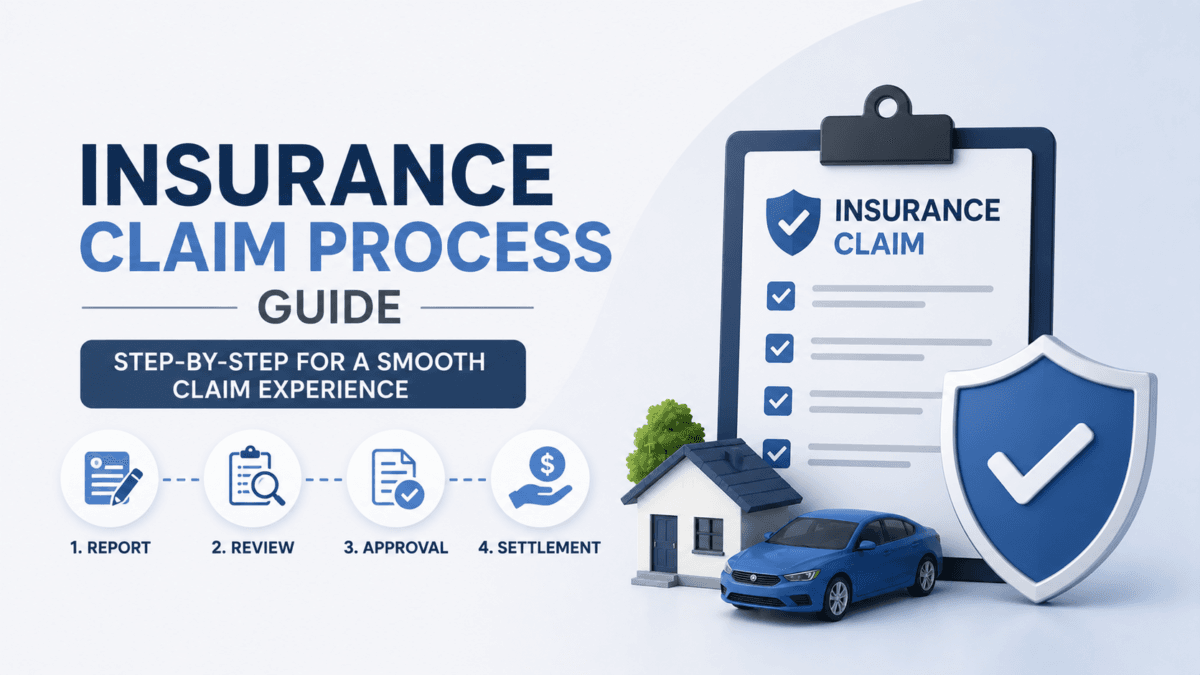
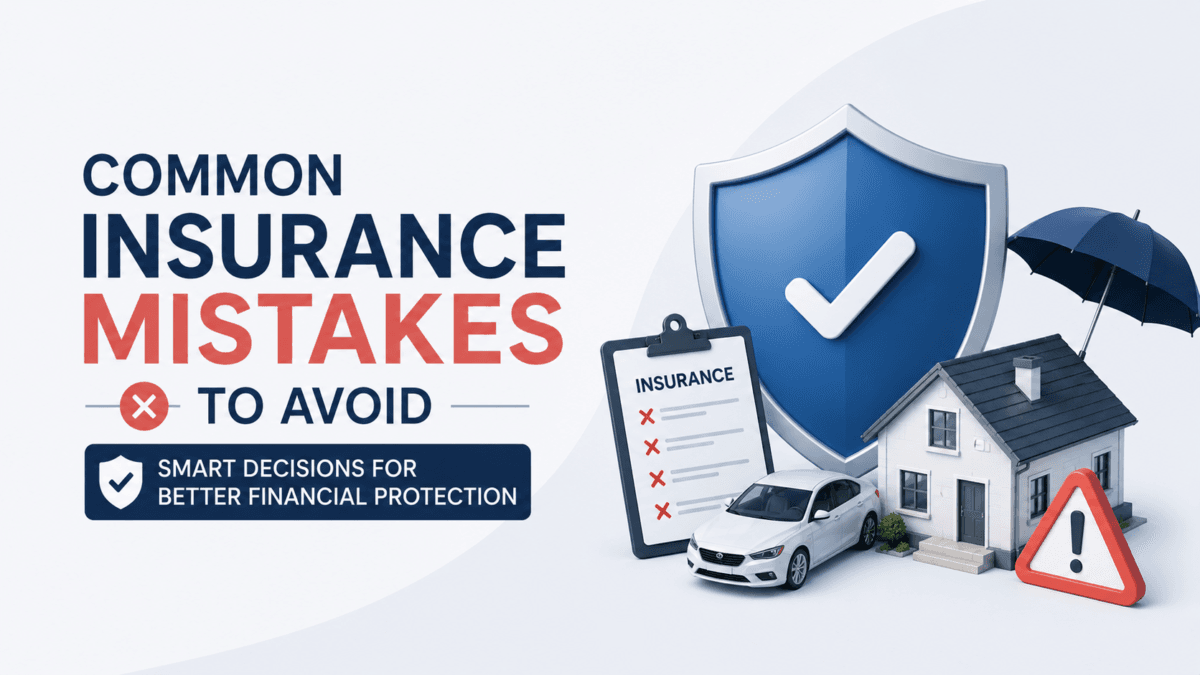
Insurance is designed to provide financial security when unexpected events occur. Whether it is health, life, auto, home, or business insurance, having the right coverage can help protect your finances and reduce stress during difficult situations. However, simply purchasing an insurance policy does not guarantee adequate protection.
Many people make mistakes when selecting, managing, or renewing their insurance policies. These errors can lead to insufficient coverage, higher costs, delayed claims, or unexpected financial losses. Understanding the most common insurance mistakes can help you make informed decisions and maximize the value of your coverage.
Why Avoiding Insurance Mistakes Matters
Insurance is a long-term financial commitment. A poor decision today may not become apparent until a claim is filed. At that point, correcting mistakes can be difficult or impossible.
Avoiding common errors helps ensure that your policy provides the protection you expect when you need it most.
Common Insurance Mistakes to Avoid
Choosing Coverage Based Only on Price
One of the most frequent mistakes is selecting the cheapest policy without evaluating the coverage provided.
Lower premiums may seem attractive, but they often come with reduced benefits, higher deductibles, or important coverage limitations. Focusing solely on cost can leave you underinsured.
Not Understanding Policy Terms
Many policyholders purchase insurance without carefully reading the policy documents.
Important details such as:
Coverage limits
Exclusions
Waiting periods
Deductibles
Claim requirements
can significantly affect how the policy works. Understanding these terms helps prevent surprises during the claims process.
Underinsuring Valuable Assets
Some individuals choose lower coverage limits to reduce premiums. While this may save money initially, it can create substantial financial gaps if a major loss occurs.
Adequate coverage should reflect the actual value of the assets being insured.
Failing to Update Policies
Life circumstances change over time. Marriage, home purchases, business growth, additional family members, or increased income can affect insurance needs.
Failing to update policies may result in outdated coverage that no longer provides sufficient protection.
Hiding or Providing Incorrect Information
Providing inaccurate information during the application process can create problems later.
Insurance companies rely on accurate details to assess risk and determine premiums. Misrepresentation may lead to claim disputes or policy cancellation.
Additional Insurance Mistakes
Ignoring Deductibles
Many people focus on premium costs without considering deductibles.
A lower premium may come with a higher deductible, meaning the policyholder must pay more out of pocket before insurance coverage begins.
Not Comparing Multiple Insurance Providers
Insurance products and pricing vary between companies. Purchasing the first available policy without comparison may result in missed opportunities for better coverage or value.
Missing Premium Payments
Failure to pay premiums on time can lead to policy lapses and loss of coverage. This can leave individuals financially exposed during emergencies.
Real-World Impact of Insurance Mistakes
Financial Losses
Inadequate coverage may force policyholders to pay significant expenses themselves after a loss.
Delayed Claims
Missing documentation or misunderstanding policy requirements can slow down the claims process.
Coverage Gaps
Outdated or insufficient policies may leave important risks uninsured.
Practical Tips to Avoid Insurance Mistakes
Review Policies Annually
Regular reviews help ensure your coverage remains aligned with your current needs and financial situation.
Ask Questions
If any policy terms are unclear, seek clarification before purchasing coverage.
Maintain Accurate Information
Always provide truthful and updated information to your insurance provider.
Balance Cost and Protection
Choose coverage based on both affordability and the level of protection required.
Key Takeaways
Selecting insurance based solely on price can lead to inadequate coverage.
Understanding policy terms is essential for informed decision-making.
Coverage should be updated as personal and financial circumstances change.
Accurate information helps avoid claim complications.
Regular policy reviews can reduce risks and improve financial protection.
Conclusion
Insurance is most effective when it is carefully selected, properly maintained, and regularly reviewed. Common mistakes such as focusing only on premiums, underinsuring assets, ignoring policy details, or failing to update coverage can reduce the protection insurance is meant to provide. By understanding these pitfalls and taking a proactive approach, individuals and businesses can make smarter insurance decisions and strengthen their financial security. A little attention today can prevent costly problems in the future and ensure that insurance performs its intended role when it matters most.