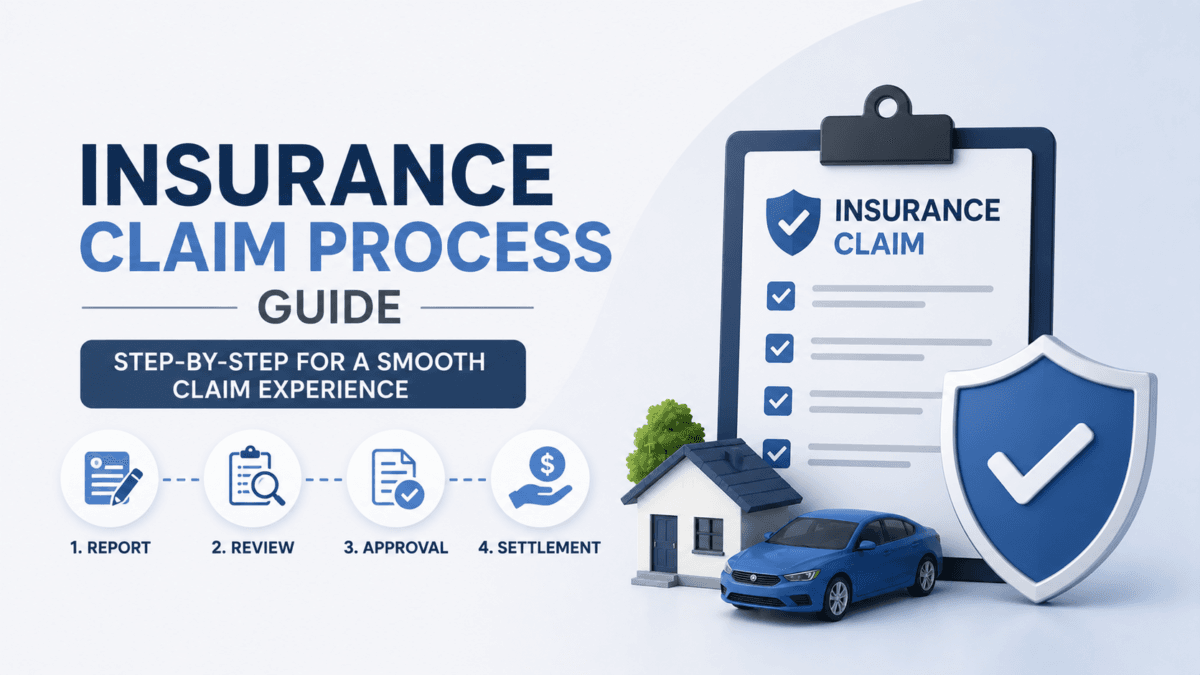
Starting and running a small business requires dedication, planning, and financial investment. While business owners often focus on growth, customer satisfaction, and profitability, protecting the company from unexpected risks is equally important. Accidents, property damage, legal claims, and other unforeseen events can disrupt operations and create significant financial challenges.
Business insurance helps small companies manage these risks by providing financial protection when covered incidents occur. Understanding the different types of business insurance and their benefits can help business owners make informed decisions and build a stronger foundation for long-term success.
What Is Business Insurance?
Business insurance is a collection of insurance policies designed to protect companies from financial losses resulting from specific risks. Depending on the type of business and its operations, different forms of coverage may be needed.
Business insurance helps safeguard company assets, employees, customers, and daily operations against unexpected events that could otherwise threaten the business’s stability.
Why Small Companies Need Business Insurance
Small businesses often operate with limited financial resources. A single lawsuit, property loss, or major interruption could have a significant impact on the company’s finances.
Business insurance provides a safety net that helps companies recover from covered losses and continue operating during challenging situations.
Common Types of Business Insurance
General Liability Insurance
General liability insurance helps protect a business against claims involving bodily injury, property damage, or certain legal liabilities.
This type of coverage is often considered one of the most important forms of business protection.
Property Insurance
Property insurance helps protect physical business assets such as:
Buildings
Equipment
Furniture
Inventory
Office supplies
Coverage may apply when property is damaged by covered events such as fire, theft, or certain natural disasters.
Professional Liability Insurance
Businesses that provide professional services or advice may benefit from professional liability coverage.
This insurance can help protect against claims related to errors, omissions, or alleged negligence in professional services.
Workers’ Compensation Insurance
Workers’ compensation insurance helps provide benefits to employees who experience work-related injuries or illnesses, subject to applicable laws and policy terms.
Business Interruption Insurance
If a covered event temporarily forces a business to stop operations, business interruption insurance may help cover lost income and certain ongoing expenses.
Benefits of Business Insurance
Financial Protection
Insurance helps businesses avoid bearing the full cost of unexpected losses, repairs, legal expenses, or claims.
Increased Credibility
Customers, partners, and clients often view insured businesses as more trustworthy and professional.
Business Continuity
Insurance can help companies recover more quickly after disruptions and maintain operations during difficult circumstances.
Protection for Employees
Certain policies help support employees by providing coverage related to workplace incidents and other covered situations.
Challenges When Choosing Business Insurance
Identifying Coverage Needs
Every business faces unique risks. A retail store, consulting firm, and manufacturing company may require different insurance solutions.
Managing Insurance Costs
Small businesses often operate on tight budgets, making it important to balance coverage needs with premium costs.
Practical Tips for Small Business Owners
Assess Business Risks
Identify the risks most likely to affect your business, including property damage, liability claims, and operational interruptions.
Review Policies Carefully
Understand coverage limits, exclusions, deductibles, and claim procedures before purchasing a policy.
Compare Multiple Providers
Obtaining quotes from several insurers can help you find suitable coverage and competitive pricing.
Update Coverage as the Business Grows
As a company expands, insurance needs may change. Regular reviews help ensure coverage remains appropriate.
Key Takeaways
Business insurance protects small companies from financial losses caused by covered risks.
Common coverage types include general liability, property, professional liability, workers’ compensation, and business interruption insurance.
Insurance supports financial stability, business continuity, and professional credibility.
Every business has unique insurance requirements based on its operations and risk exposure.
Regular policy reviews help ensure adequate protection as the business evolves.
Conclusion
Business insurance is an important investment for small companies seeking long-term stability and growth. It helps protect valuable assets, supports business continuity, and reduces the financial impact of unexpected events. By understanding potential risks and selecting appropriate coverage, small business owners can focus on serving customers and expanding their operations with greater confidence. A well-planned insurance strategy can play a vital role in protecting both the business and its future success.