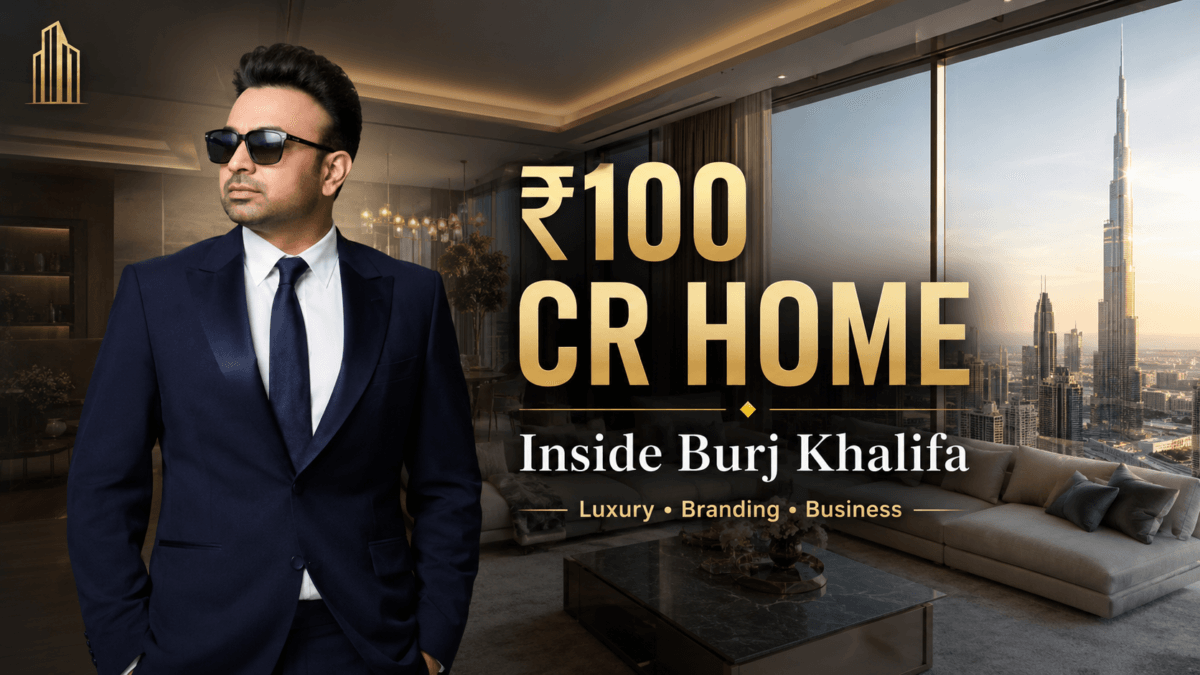
Dubai has always used architecture to make a statement, and the Burj Khalifa is its strongest symbol. That is why Satish Sanpal’s reported ₹100-crore home inside the tower has attracted attention beyond lifestyle news. Sanpal, an Indian-origin entrepreneur and chairman of ANAX Holding, has been discussed for his Burj Khalifa residence, luxury cars, family gold collection, and viral pink Rolls-Royce gift for his daughter Isabella.
For business readers, this story is not only about wealth. It shows how luxury real estate, visibility, and personal branding can shape public perception.
Main Content
Who Is Satish Sanpal?
Satish Sanpal is linked with ANAX Holding, a Dubai-based investment firm founded in 2018. The company says it focuses on diversified investments, long-term value, and ventures across real estate, hospitality, and asset management.
This matters because Sanpal’s lifestyle is connected with the industry he represents. For a real-estate entrepreneur, living in a globally recognized address can become a branding signal.
The Burj Khalifa Residence
Media reports estimate Sanpal’s private residence inside Dubai’s Burj Khalifa at around ₹100 crore. The home has been described as having high ceilings, large living areas, premium furnishings, chandeliers, curated artwork, a royal-style dining area, a fitness section, and skyline views.
In luxury property, location is often the biggest value driver. A home inside one of the world’s most famous towers carries more than space. It carries scarcity, status, and recognition.
Luxury as a Business Signal
For some entrepreneurs, luxury is private comfort. For others, it becomes part of public identity. In Sanpal’s case, his home, cars, gold, and yacht have become media talking points.
Reports say Tabinda Sanpal claimed ownership of around 40 kilograms of gold. NDTV also reported that the couple owns luxury cars, including Rolls-Royces and a Bugatti Chiron, along with a private yacht.
The Pink Rolls-Royce Story
The customized pink Rolls-Royce reportedly gifted to Isabella became viral because it felt unusual even in the luxury world. Reports described the car as having pink interiors and personalized details.
From a branding angle, such moments create instant attention. However, they can divide opinion. Some see celebration, while others see excess. Visibility brings both admiration and criticism.
Business Lessons from the Story
Landmark Assets Build Recognition
Premium real estate in iconic locations can become more than a personal asset. It can support reputation, networking, and business identity. For real-estate leaders, a landmark address can communicate confidence.
Scarcity Supports Value
Homes in famous buildings are limited. This scarcity can help long-term desirability, especially among wealthy buyers who value privacy, prestige, and location.
Image Must Match Substance
Luxury may attract attention, but credibility depends on execution, trust, and delivery. A strong public image must be supported by professional performance.
Practical Tips
Luxury property buyers should study ownership rules, service charges, resale demand, building management, legal documents, and maintenance costs before investing.
Entrepreneurs should treat personal branding carefully. Public luxury can increase visibility, but it should not overshadow the business. Strong brands balance aspiration with responsibility.
Key Takeaways
Satish Sanpal’s Burj Khalifa home shows the power of landmark real estate.
Luxury assets can support personal branding and business visibility.
Scarcity and global recognition make iconic properties desirable.
Viral wealth displays can create both publicity and criticism.
Real business value still depends on trust and execution.
Conclusion
Satish Sanpal’s reported ₹100-crore Burj Khalifa home is more than a luxury residence. It reflects Dubai’s wealth culture, high-end real estate demand, and the growing role of personal image in entrepreneurship.
For business readers, the lesson is clear. Luxury can create headlines, but lasting respect comes from substance. Properties, cars, gold, and public visibility may build attention, but sustainable success depends on disciplined decisions, strong execution, and real value creation.